
Facing a BRAIN or NERVE Problem? You Don't Have to Face It Alone
Dr Tanya Mishra, a trusted neurovascular surgeon in Cuttack & Bhubaneswar with a proven track record, is here to help.
FNB Neurovascular Intervention
FNB Neurovascular Intervention
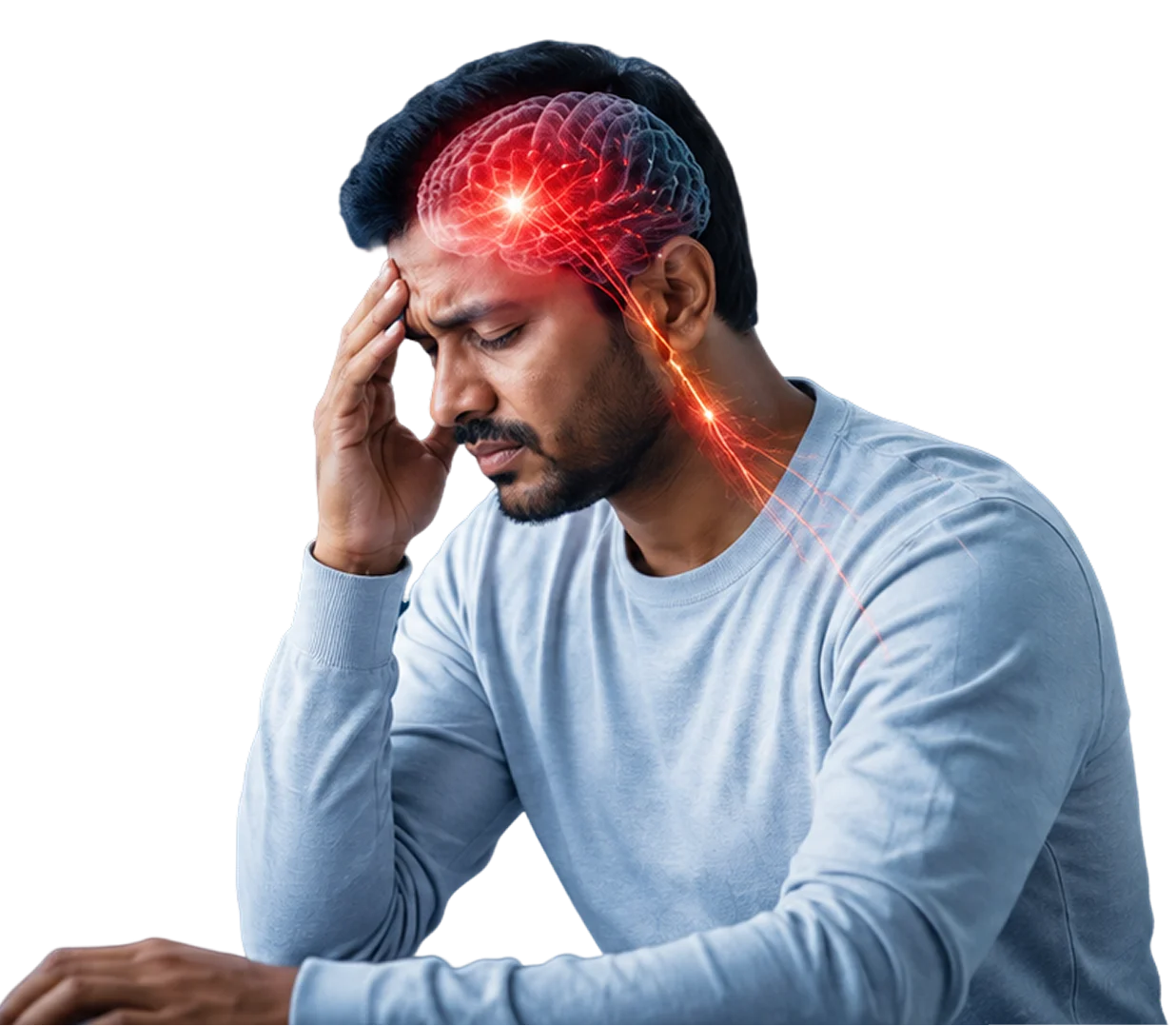
Are You Facing Any of These Symptoms or Diagnoses?
These are not conditions to delay. Timely intervention can prevent permanent damage.
Sudden weakness, paralysis, or difficulty speaking
Repeated seizures despite ongoing medication
Diagnosed brain
aneurysm or AVM
Blocked arteries in the brain or neck
Sudden confusion, vision problems, or imbalance
When Does a Brain Disease Needs Intervention?
Medication manages many brain conditions well. But conditions like stroke, aneurysm, epilepsy and headache need the underlying problem treated directly.
Medical Management

- Medication and ongoing monitoring
- Controls and stabilises symptoms
- Suited to many stable, long-term conditions
Neurovascular Intervention
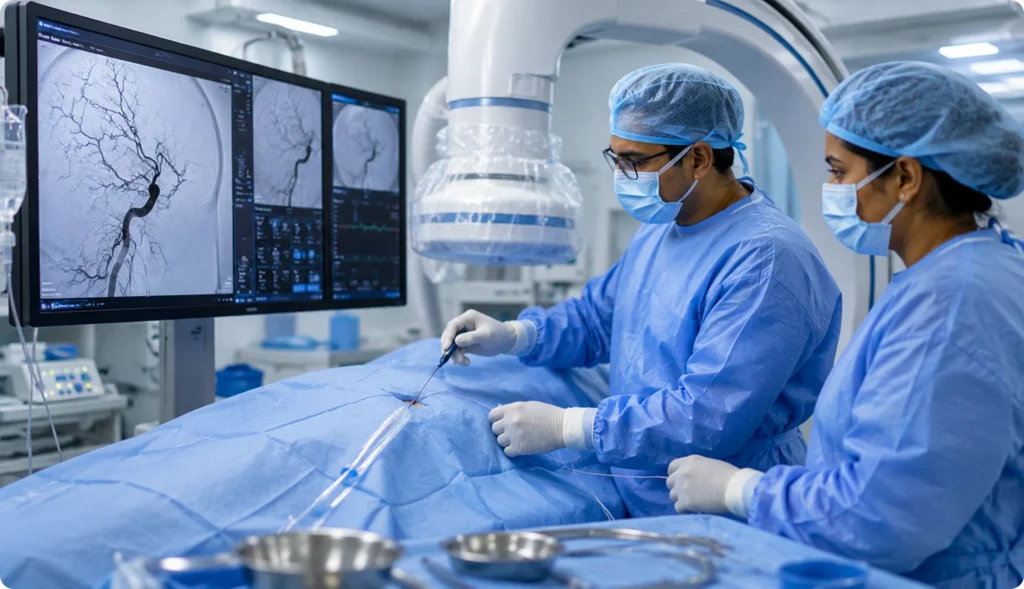
- Minimally invasive, image-guided procedures
- Treats the underlying vascular cause
- Used for complex and emergency cases
Dr. Tanaya combines both. Your care can move from medication to intervention without changing doctors, if and when your condition calls for it.
What Conditions Do Neurovascular Interventionists Treat?
Focused care for complex brain conditions that often need more than routine medication.
- Brain Stroke
- Brain Hemorrhage
- Brain Hematoma
- Brain Aneurysm
- Arteriovenous Malformation (AVM)
- Intracranial Arteriovenous Fistula
- Carotid Artery Disease
- Intracranial Artery Narrowing
- Drug-resistant epilepsy
- Complex seizure disorders
- Dementia
- Brain Hemorrhage
Advanced Neurovascular Treatments & Procedures
Minimally invasive, precision-based procedures designed to treat the root cause.
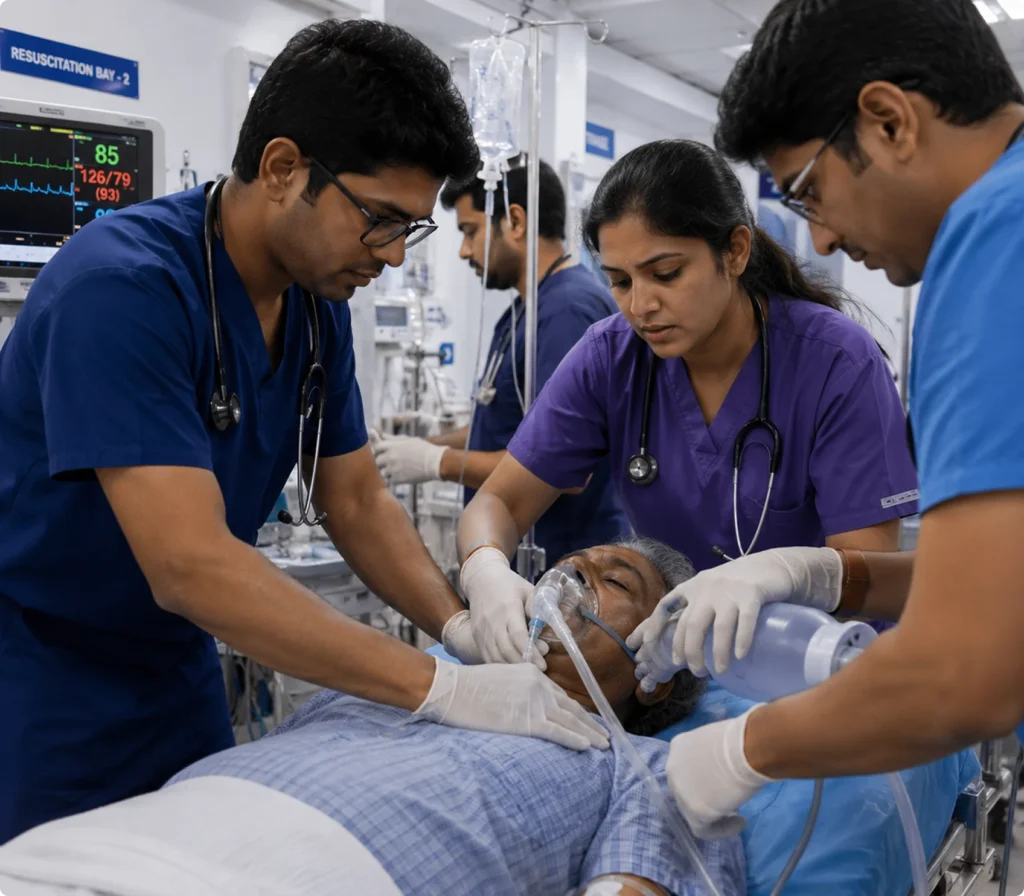
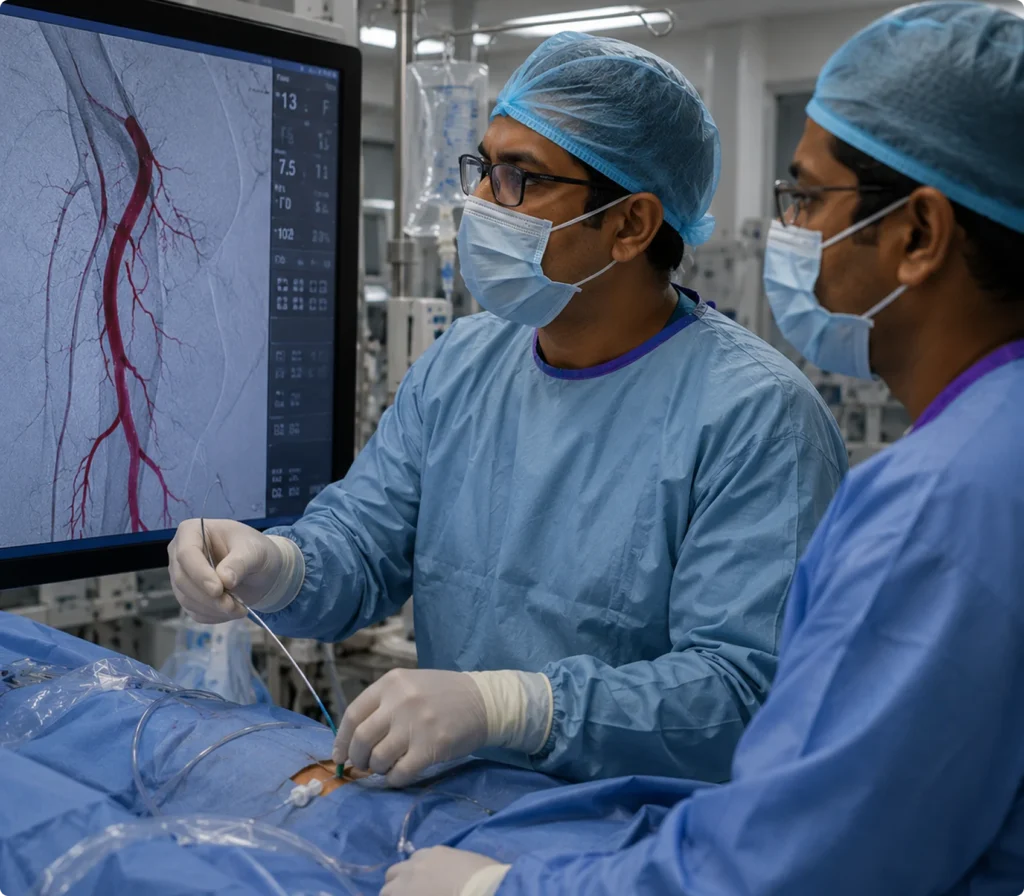
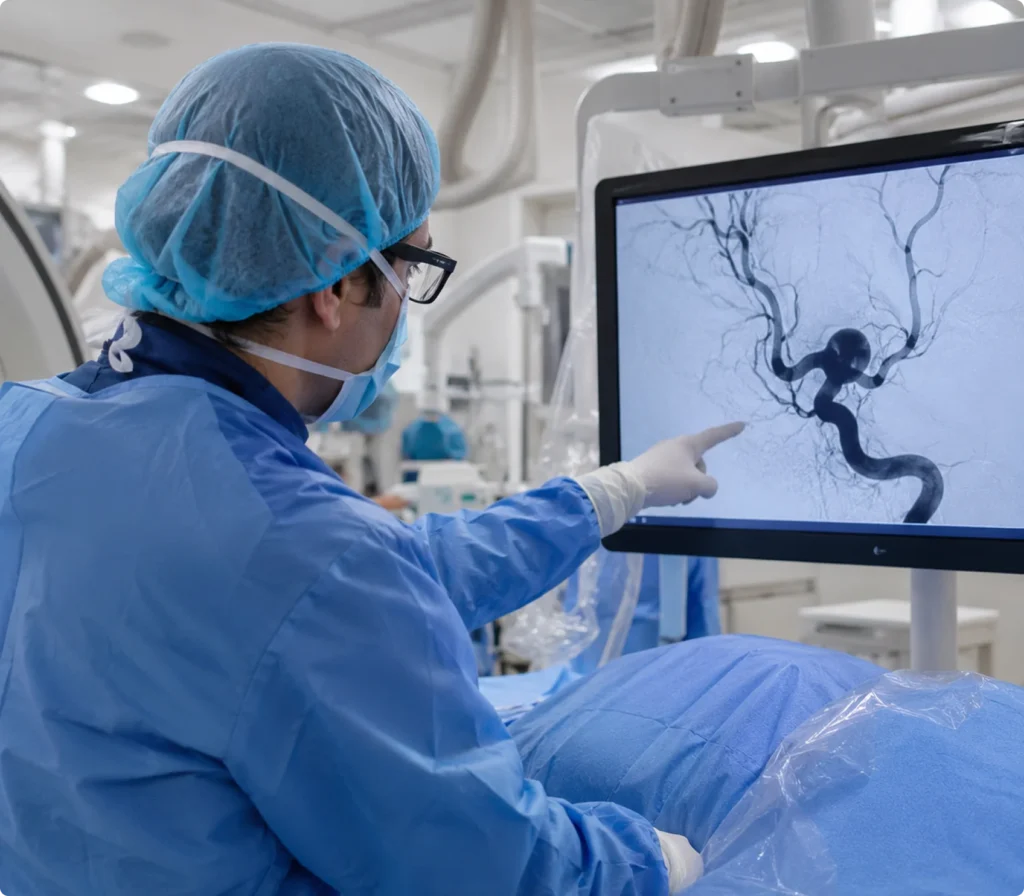
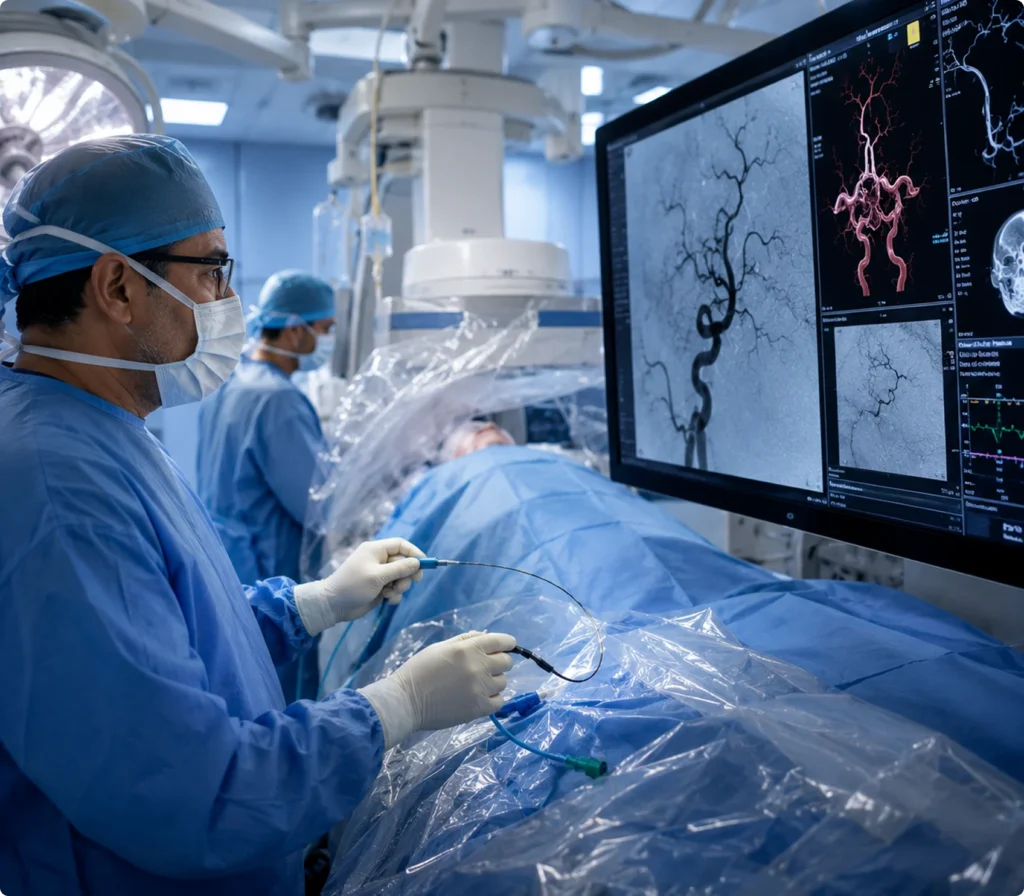
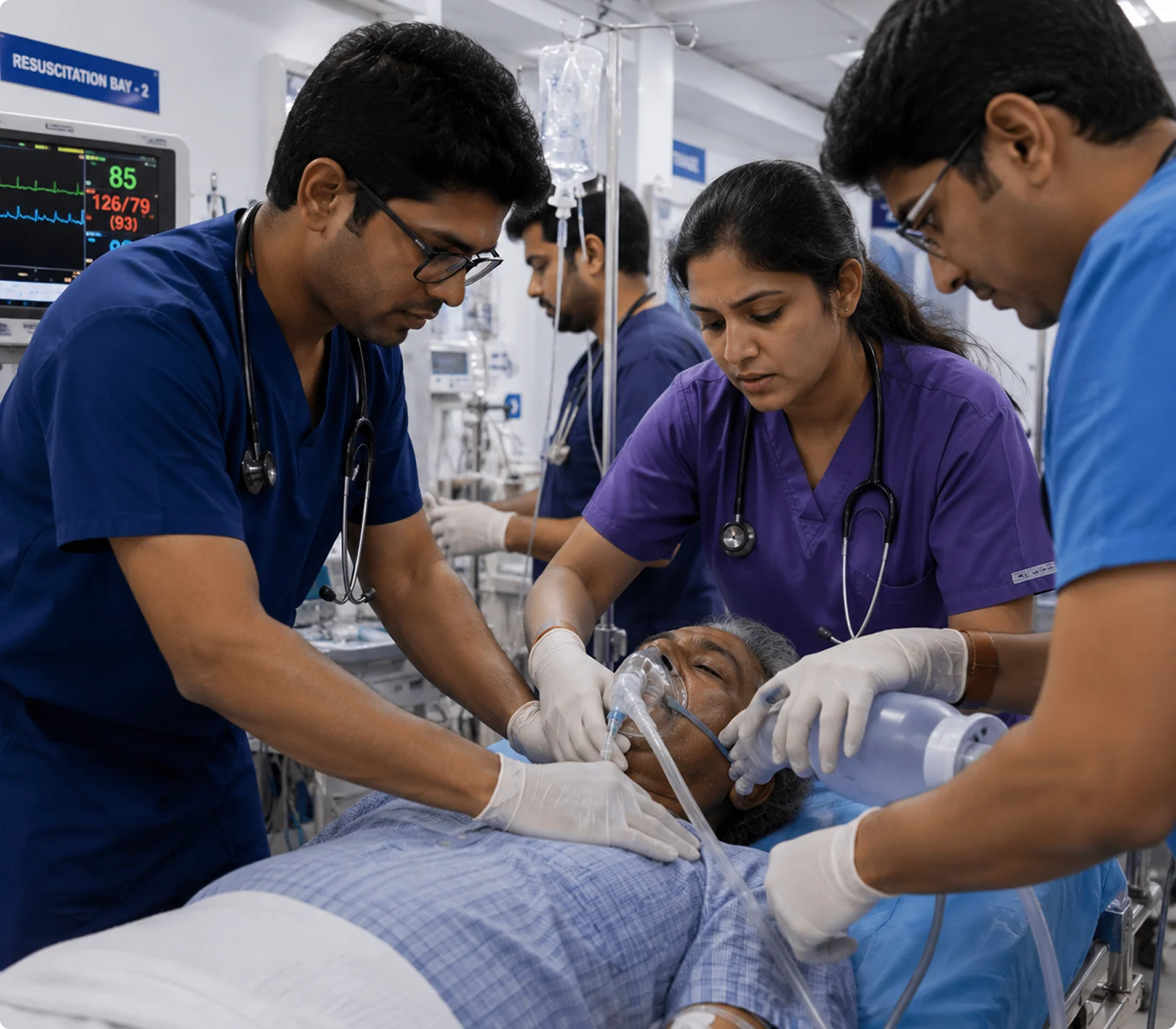
Stroke & Emergency Interventions
- Mechanical Thrombectomy (clot removal in stroke)
- Thrombolysis
- Carotid artery stenting
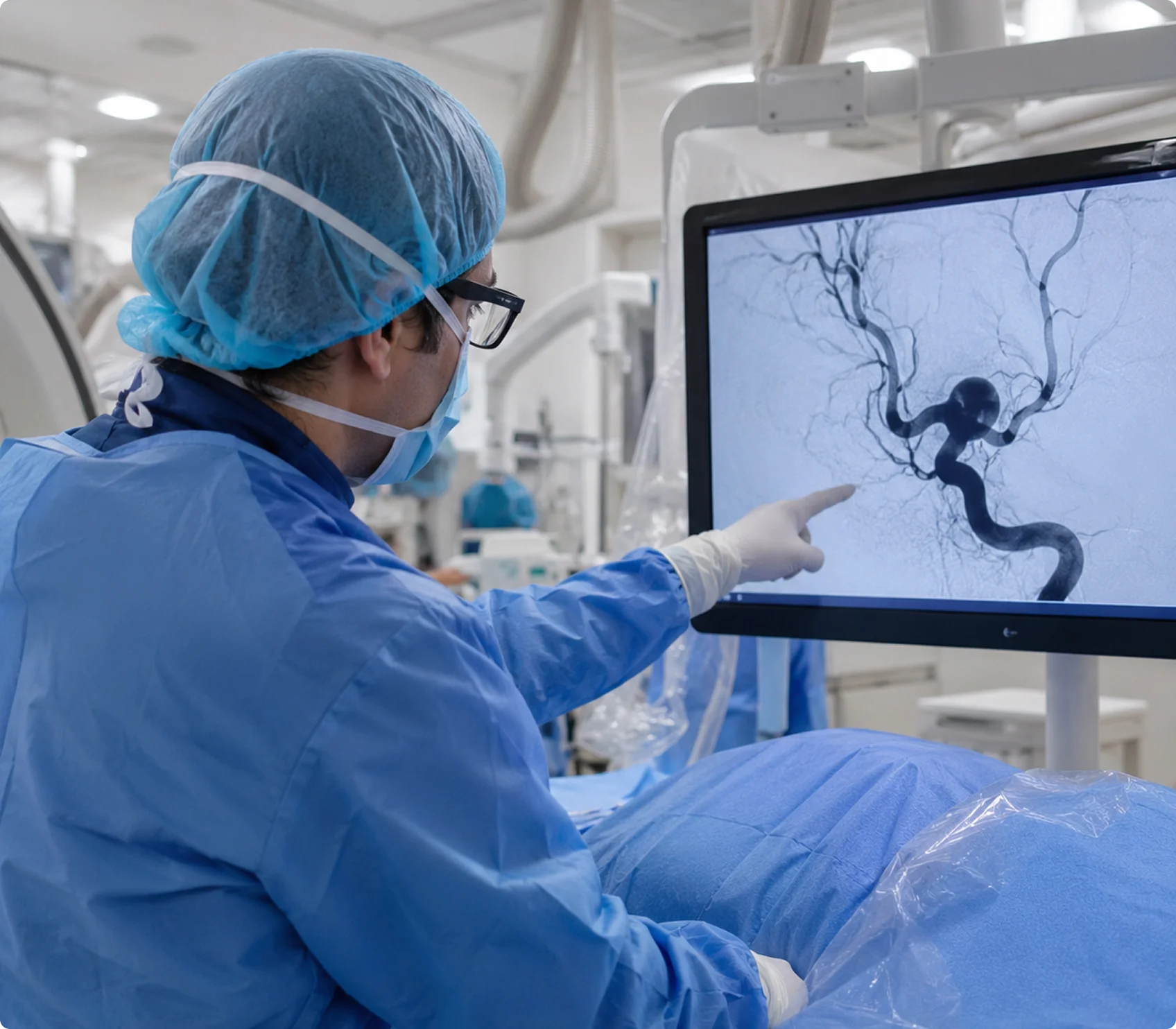
Aneurysm & Vascular Treatments
- Aneurysm Coiling
- Balloon-assisted coiling
- Stent-assisted coiling
- Flow Diverter Stenting
- AVM Embolization
- Parent artery occlusion
Artery & Blood Flow Procedures
- Carotid Artery Stenting
- Intracranial Stenting
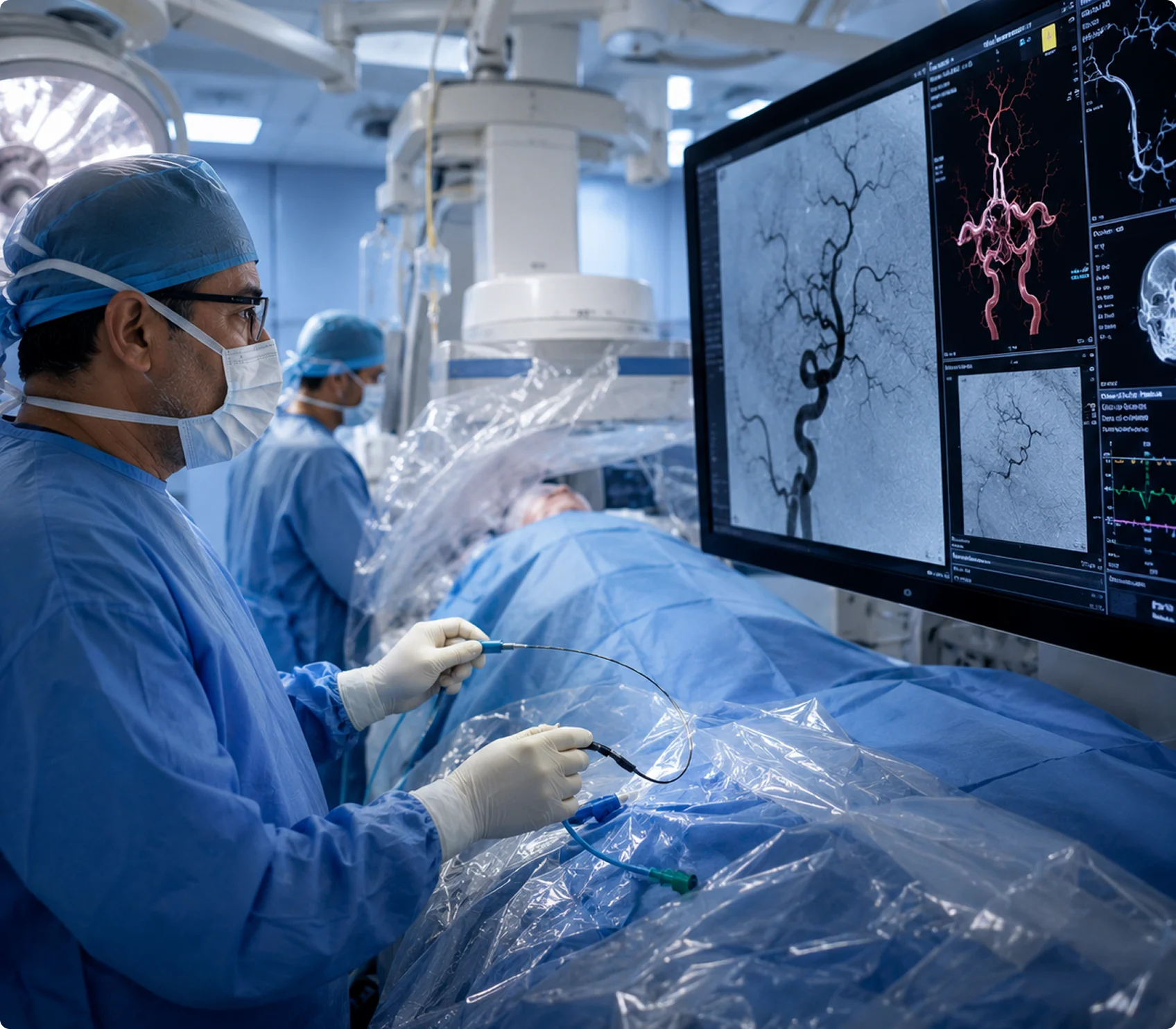
Advanced Neurovascular Procedures
- Stent-Assisted Coiling
- Minimally invasive endovascular procedures for complex brain and spinal vascular conditions
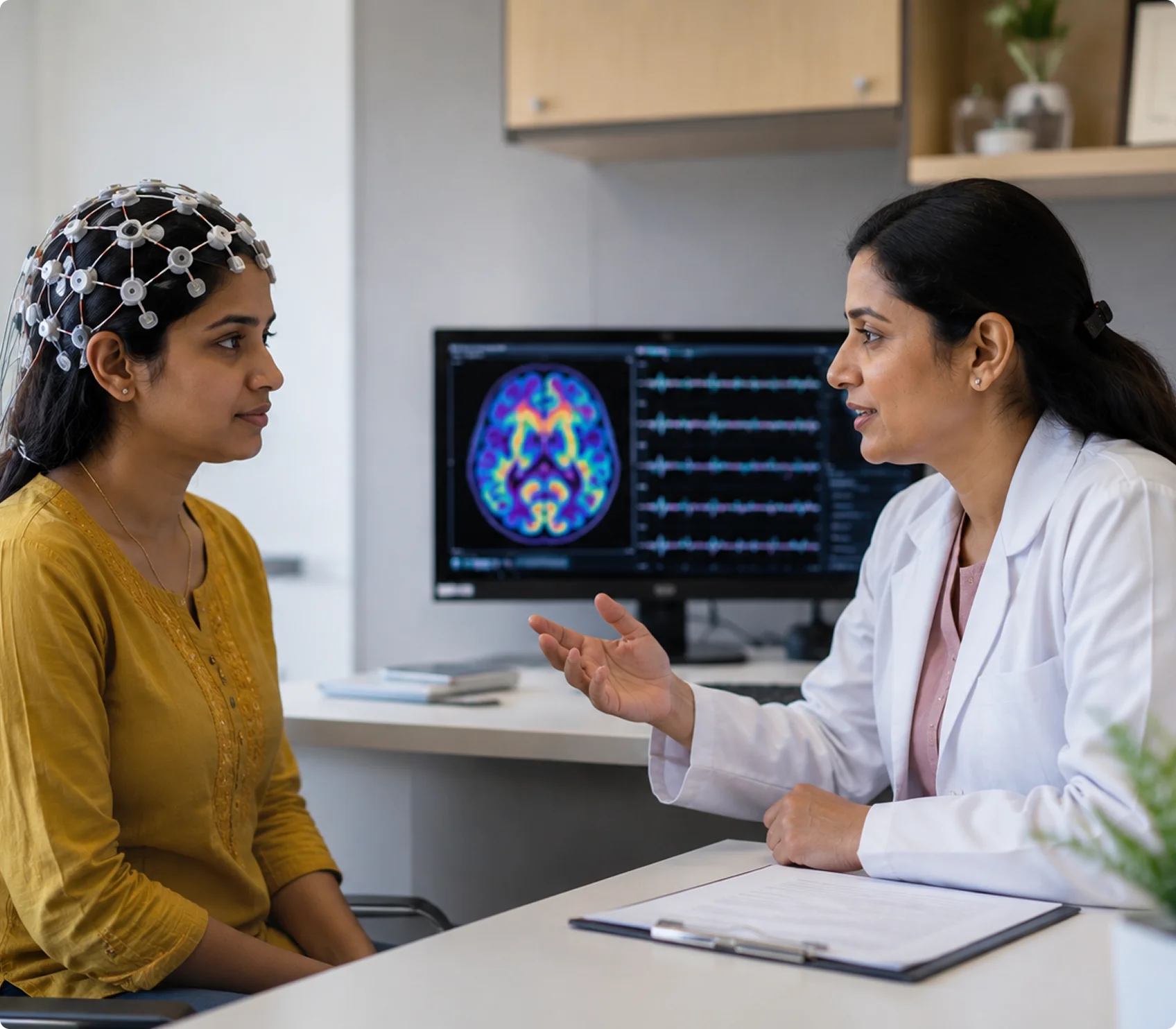
Epilepsy Management
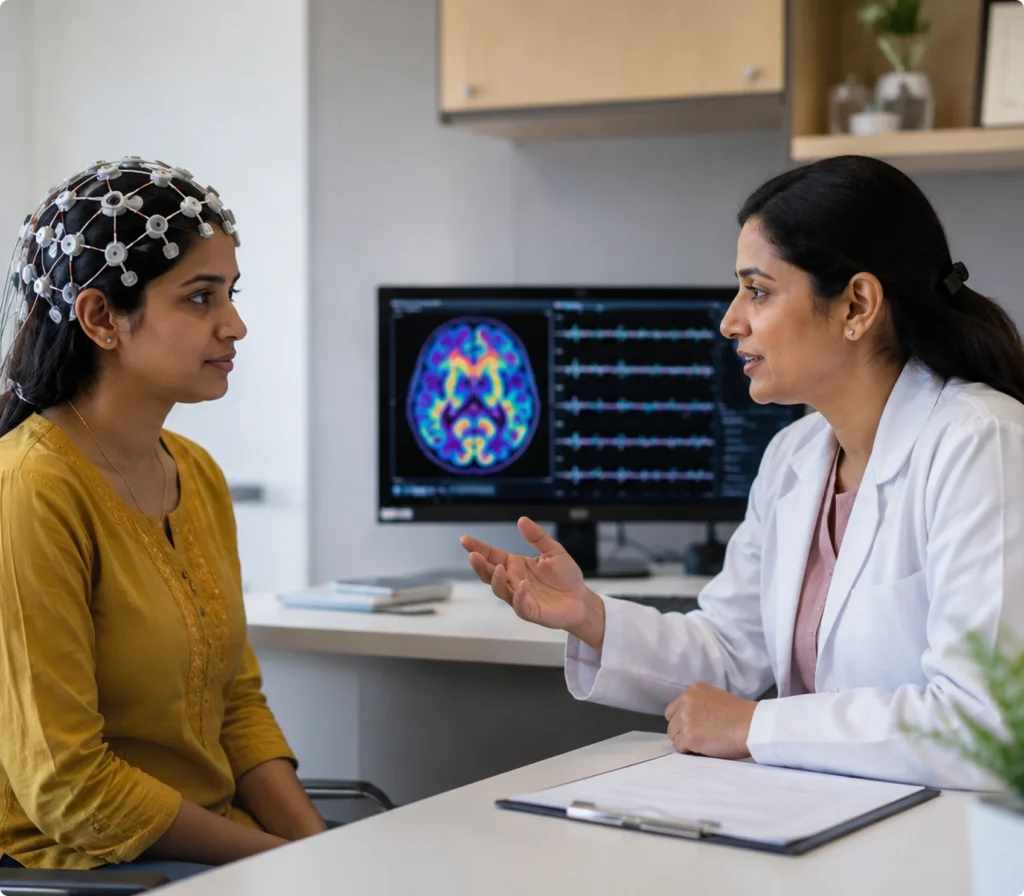
- Advanced EEG-based diagnosis
- Drug-resistant epilepsy treatment
- Long-term seizure control planning
Other Vascular Malformation
- Spinal and brain dural arterio-venous fistula
- Arterio-venous malformation embolisation.
- Cerebral venous sinus thrombosis
- Thromboaspiration
- In situ thrombolysis


About
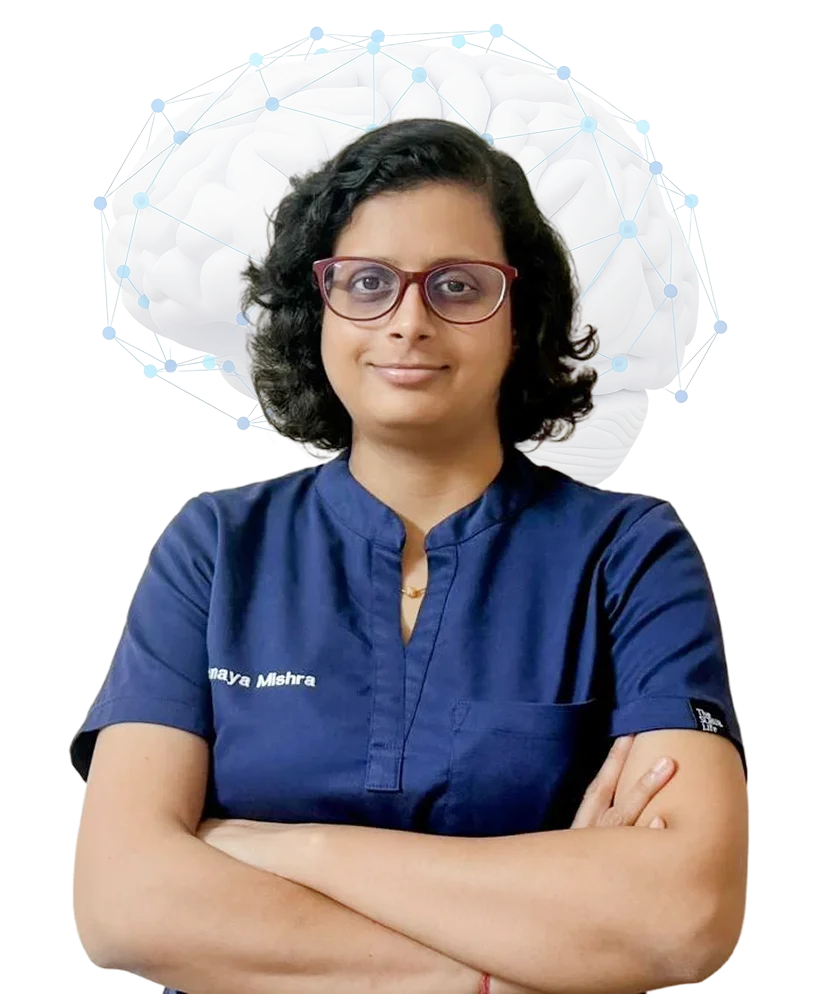
Dr. Tanaya Mishra
Neurovascular Interventionist In Cuttack & Bhubaneswar
MBBS, MD, DM, Fellowship in Neurovascular Intervention
Dr. Tanaya Mishra is a neurologist and neurovascular interventionist whose training brings together two areas that are often handled separately: the diagnosis of complex neurological conditions and their procedural treatment.
She completed her MBBS, followed by an MD and a DM in Neurology at NIMHANS, India’s foremost institute for neurological sciences. She then pursued an advanced fellowship (FNB) in Neurovascular Intervention, gaining hands-on experience in intricate, minimally invasive brain and vascular procedures.
This combined expertise allows her to guide a patient through the entire journey from accurate diagnosis to procedural treatment and follow-up under the care of a single specialist, without the need to move between different doctors at critical moments.
Her practice is built on a clear set of principles: precise diagnosis, sound clinical judgement, and treatment decisions made carefully around each individual rather than a single standard approach.
Our Gallery
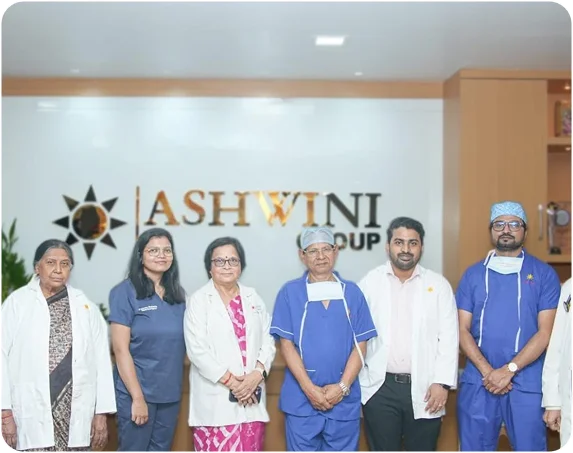
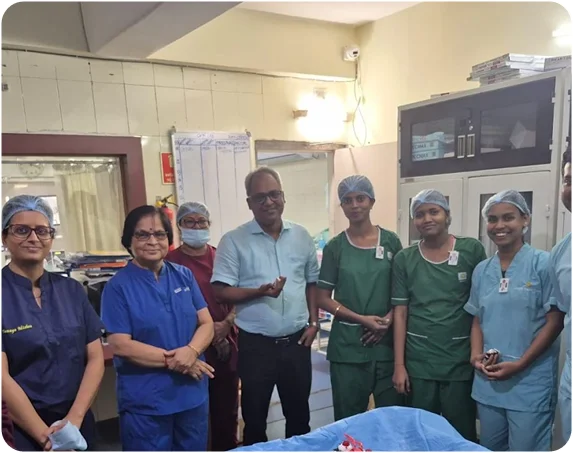
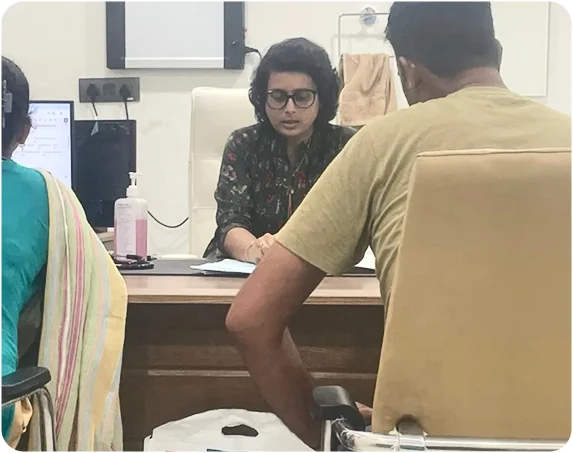
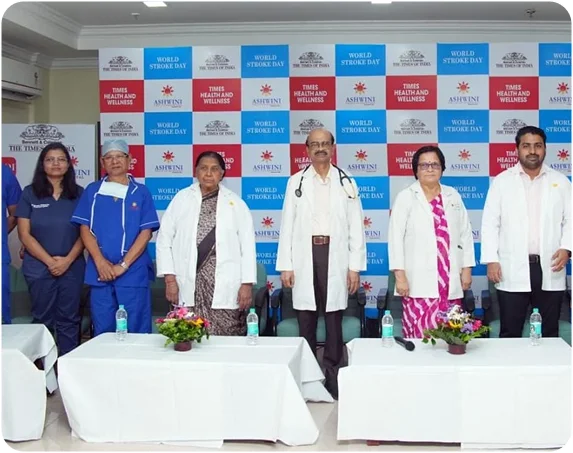
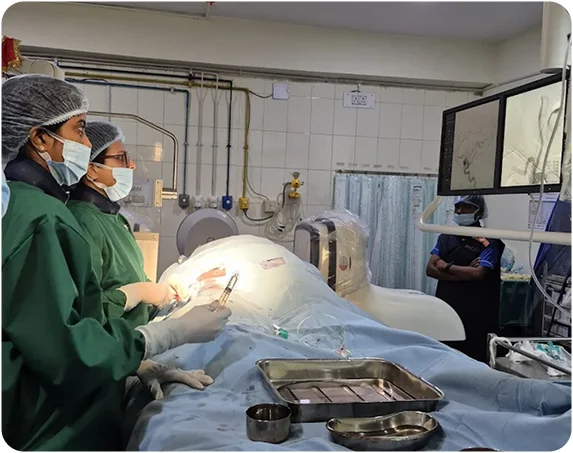
Every Second Counts When It Comes to Brain Health
Early intervention can prevent complications and lead to a faster recovery.

Frequently Asked Questions (FAQ)
What does a neurovascular specialist actually do?
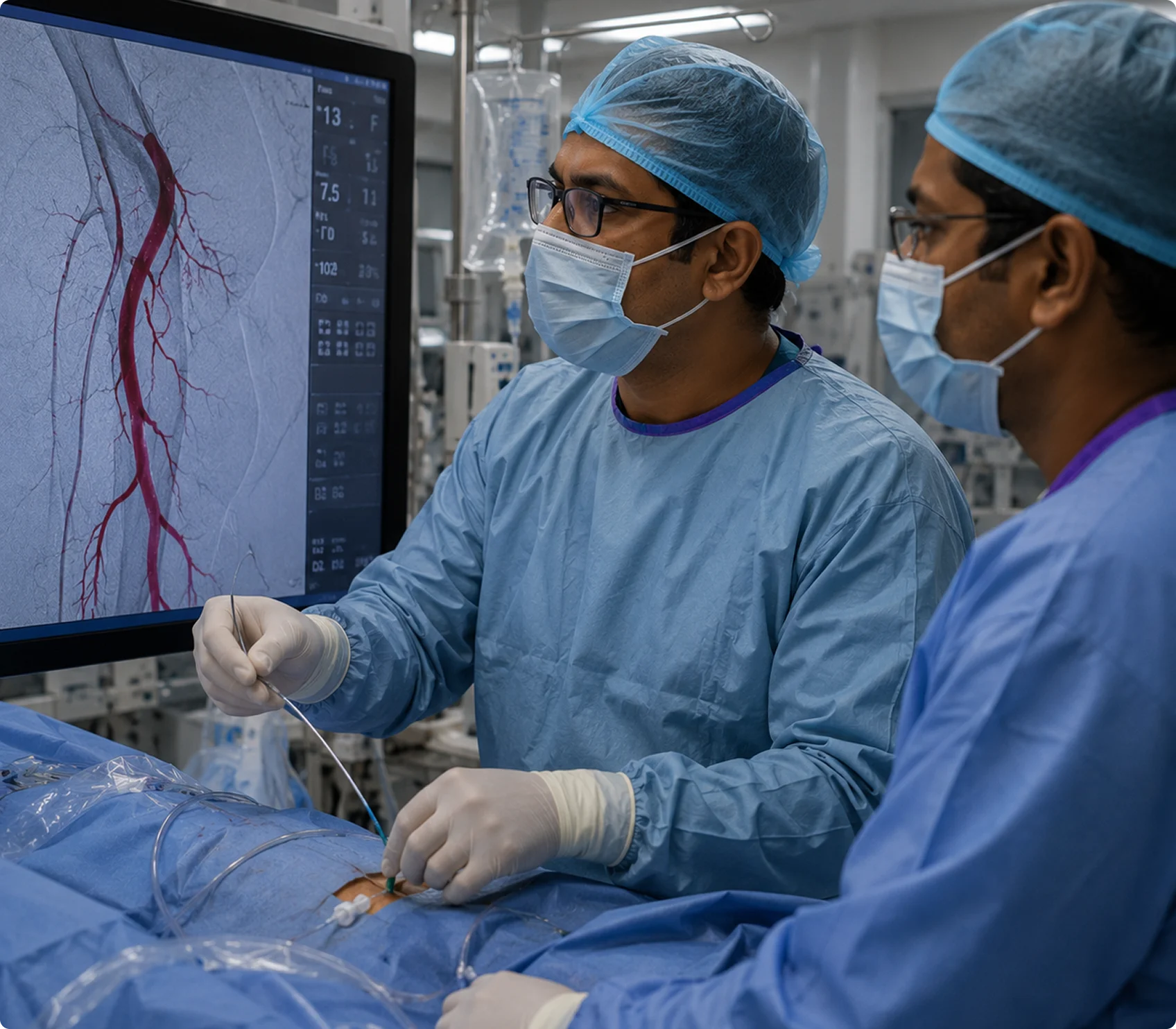
A neurovascular specialist diagnoses and treats conditions affecting the brain’s blood vessels, often using minimally invasive, image-guided techniques rather than open surgery. This includes conditions like stroke, aneurysms, dual arterio- venous fistula and AVMs.
How do I know if my symptoms need urgent attention?
Sudden weakness on one side, trouble speaking, facial drooping, severe headache, or sudden vision or balance problems should be treated as an emergency. In these situations, getting to a hospital quickly can make a real difference.
What warning signs might point to a brain aneurysm?
Many aneurysms cause no symptoms until they grow or rupture. Possible warning signs include a sudden, severe headache, vision changes, or weakness, which is why timely evaluation matters if an aneurysm is suspected.
Can an aneurysm or AVM be treated without open brain surgery?
In many cases, yes. Conditions like aneurysms and AVMs can often be treated through minimally invasive procedures performed from inside the blood vessels, which usually means a shorter hospital stay and quicker recovery.
Why are scans needed before a procedure?
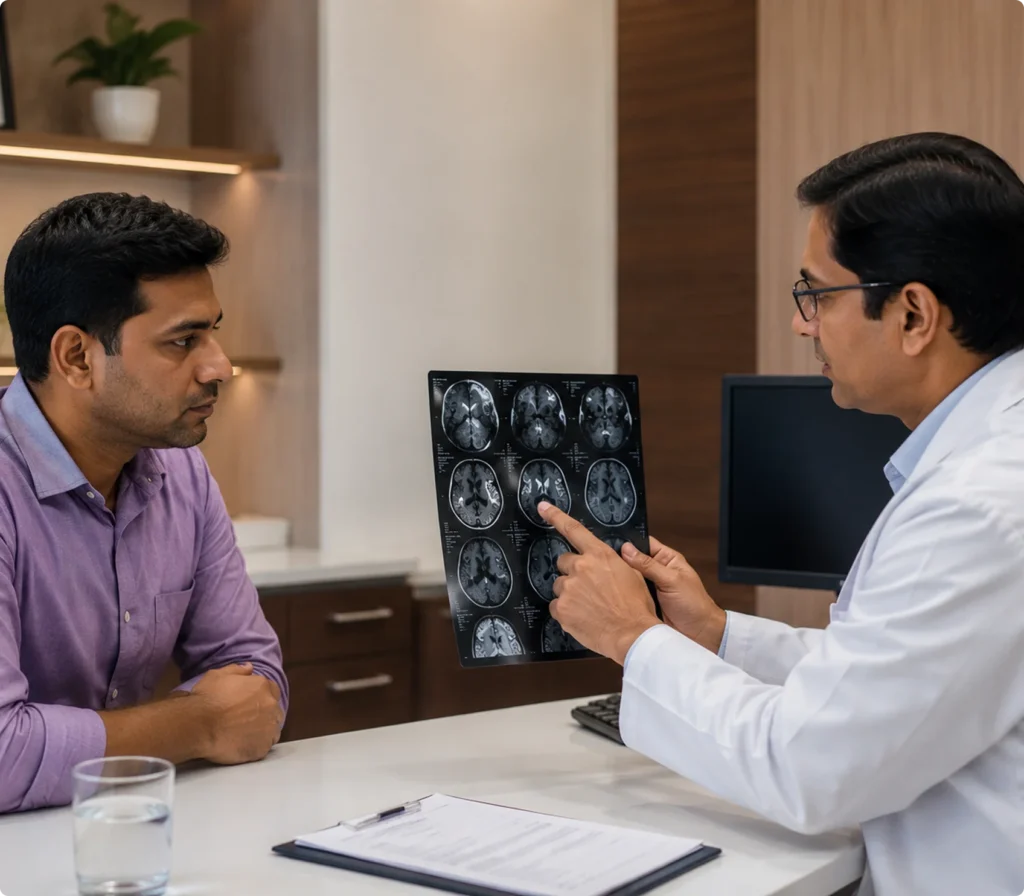
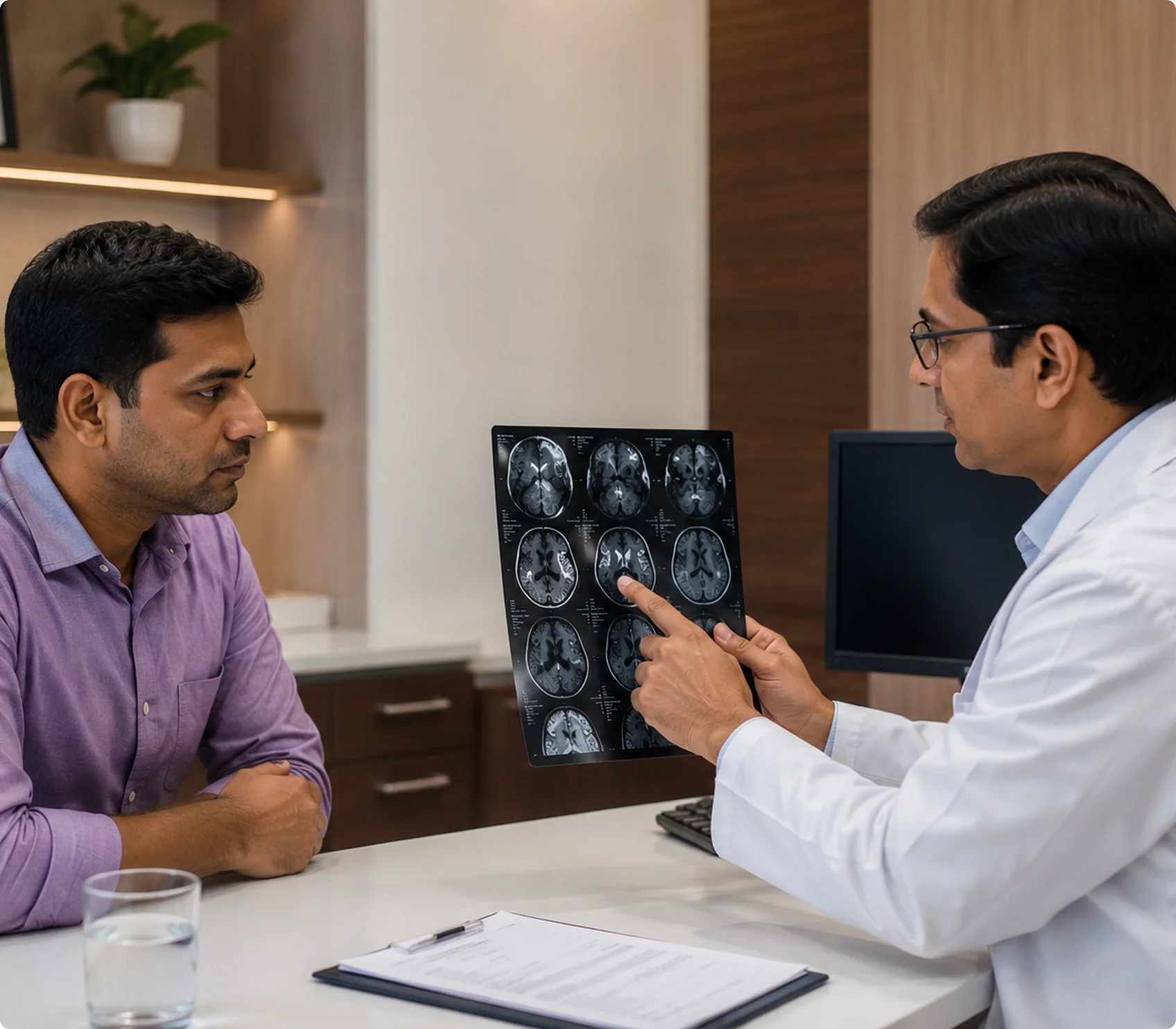
Imaging such as MRI, CT angiography, or cerebral angiography helps confirm exactly what’s happening and where, so that treatment can be planned safely and accurately for each patient.
What can be done if epilepsy doesn't respond to medication?
When seizures continue despite medication, a detailed EEG-based evaluation can help locate where they’re coming from. From there, treatment can be adjusted or, in selected cases, more advanced options can be considered.
What is recovery usually like after a minimally invasive procedure?
Recovery is generally quicker than after open surgery, with many people returning to everyday activities within days to weeks. The exact timeline depends on the condition and the procedure.
Are these procedures suitable for older patients?
Age alone doesn’t rule out treatment. Suitability is assessed individually, taking into account overall health and the specific condition, and minimally invasive approaches are often gentler for older patients.
Can I lower my risk of stroke and other vascular problems?
To a meaningful extent, yes. Managing blood pressure, diabetes, and cholesterol, staying active, and avoiding smoking all help, and regular check-ups support early detection.
How can I book a consultation with Dr. Tanaya Mishra?
You can book an appointment online or contact Ashwini Hospital in Cuttack directly. You’ll receive a personalised assessment, a clear explanation of your condition, and a treatment plan suited to your situation.